
5 Tips for Ensuring Proper Strength Training Technique
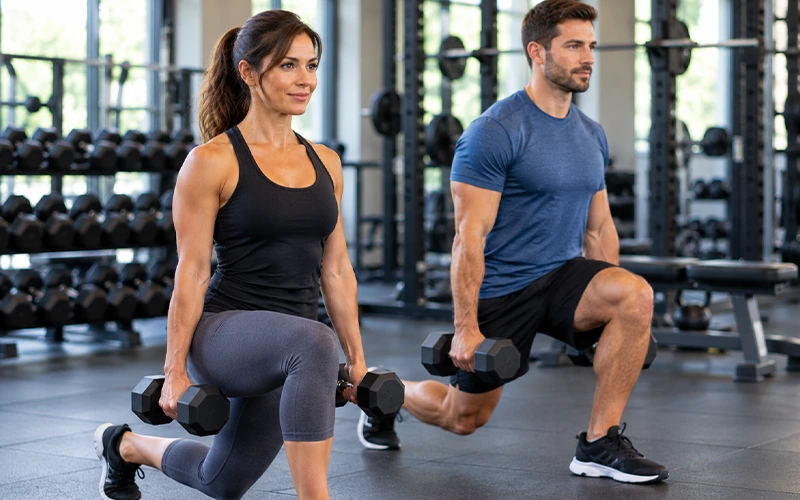
When it comes to strength training, how you lift is just as important as how much you lift.
Proper technique helps you target the right muscles, get better results, and reduce your risk of injury.
Whether you’re new to weight training or have been lifting for years, these five tips can help you get more out of every workout.
1. Avoid Locking Your Elbows and Knees
When performing exercises such as squats, leg presses, or chest presses, avoid forcefully snapping your elbows or knees into a locked position.
Instead, maintain control as you approach the end of each movement.
Straightening your joints through their normal range of motion is generally fine, but avoid hyperextending them or relying on your joints to support the weight instead of your muscles.
2. Don’t Swing Weights to Create Momentum
If you’re swinging your body to lift a weight, chances are it’s too heavy.
Using momentum takes tension away from the muscles you’re trying to strengthen and can increase your risk of injury.
Instead, lift and lower weights slowly, smoothly, and methodically. Focus on controlling both phases of the exercise rather than simply moving the weight from point A to point B.
3. Maintain a Stable Spine and Proper Posture
Good posture is essential during strength training.
Keep your spine in a comfortable, neutral alignment, engage your abdominal muscles, and avoid excessive rounding or arching of your back.
This is especially important during exercises such as squats, deadlifts, and overhead presses.
A stable trunk helps transfer force efficiently while reducing unnecessary stress on your lower back.
4. Use a Full, Comfortable Range of Motion
Move each weight through the appropriate range of motion for the exercise, provided you can maintain proper technique. Avoid cutting repetitions short just to lift heavier weights.
A controlled, comfortable range of motion helps train your muscles effectively and supports joint mobility.
Never force a movement beyond what your flexibility and joint structure comfortably allow.
5. Breathe Properly Throughout Each Repetition
Don’t forget to breathe!
As a general guideline, exhale during the lifting or more difficult portion of an exercise and inhale during the lowering or easier portion.
Avoid holding your breath unnecessarily, particularly if you have high blood pressure or cardiovascular concerns. Consistent breathing helps maintain control and supports safe exercise performance.
Quality repetitions beat sloppy repetitions every time.
Choose a weight you can control, concentrate on proper technique, and gradually increase resistance as your strength improves.
Remember, strength training isn’t about impressing anyone with how much weight you can lift.
It’s about building a stronger, healthier body—one properly performed repetition at a time.